
If you’ve been thinking about growing your money but also staying true to your values, you’ve probably come across the discussion around halal investing. A lot of Muslims today are questioning whether conventional investing really aligns with the lifestyle and future they want. The fact is that you do not have to choose between building wealth and following your faith. Knowing the difference between Islamic and traditional investing can help you make smarter long-term moves without feeling confused or overwhelmed.
What Makes Halal Investing Different?

The biggest difference comes down to where your money goes. Conventional investing usually focuses solely on profits and involves interest or other non-Sharia-compliant activities.
With halal investing, your money is screened to ensure it follows Islamic principles. That means avoiding industries and financial structures that conflict with your beliefs while still giving you opportunities to grow your wealth.
When people compare halal vs conventional investing, they often realise that Islamic investing is about building healthier financial habits. Instead of chasing quick wins or hype stocks, you focus on steady growth and informed decision-making.
Why Long-Term Strategies Usually Win

You’ve probably seen people online trying to time the market, jump into trends, or trade based on emotions. The problem is that most people burn out doing that. It is stressful, unpredictable, and honestly not sustainable.
In contrast, halal investing beats emotional trading over time because it encourages consistency over timing. With halal investing, you don’t need to predict every market move. You simply stay invested and let your money grow gradually.
This is where ETFs and fixed-term options come into the conversation.
ETFs vs Fixed-Term Investments: Which One Feels More “You”?
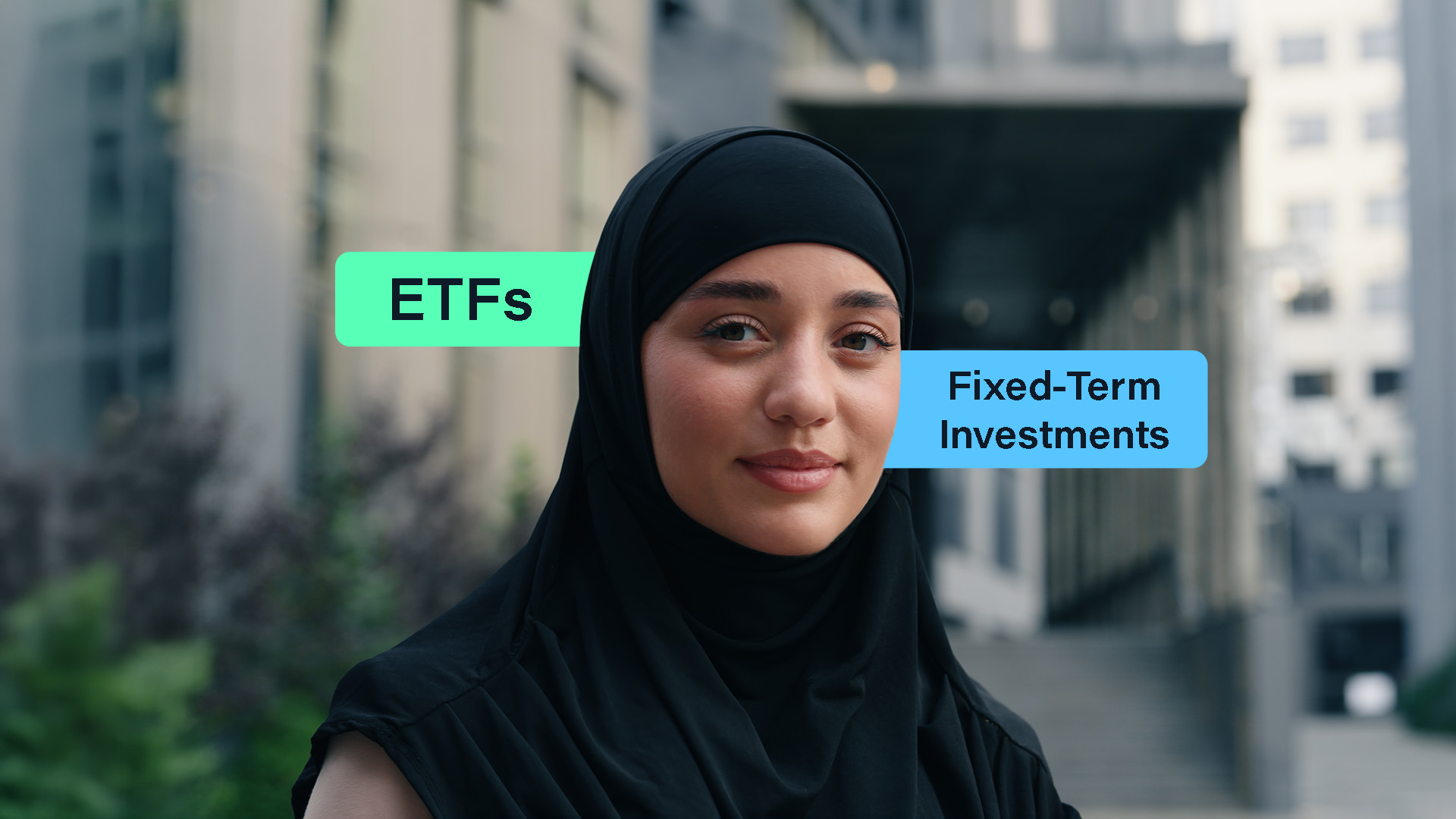
If you like flexibility and want to build wealth steadily over time, halal ETFs are usually the more popular option. ETFs spread your money across different companies, which helps lower risk while giving you exposure to long-term market growth.
A big advantage of halal investing through ETFs is the habit side of it. You can build a strategy around regular investing, where you consistently add money each month instead of stressing about market timing. App like Halal Money on iOS and Android are designed to support that long-term mindset.
On the other hand, a fixed-term investment is more structured and predictable. You usually know the timeframe and expected outcome from the start, which can feel reassuring if you prefer stability over flexibility.
The main difference is simple: ETFs help you build consistency through ongoing investing habits, while fixed-term investments focus more on predictability. Either way, halal investing gives you a framework that feels intentional instead of random.
Your Future Wealth Should Match Your Values

Growing your money should not feel disconnected from who you are. The best strategy is usually the one you can stick with consistently while remaining informed about where your money is going.
Whether you lean towards ETFs or fixed-term options, halal investing helps you build wealth in a way that feels more aligned, balanced, and future-focused.
If you want a simpler way to explore long-term, faith-aligned investing, download Halal Money (iOS or Android) to access curated halal ETFs designed for Muslim investors.
Disclaimer:
Investment products involve inherent financial risks, including potential loss of capital. Halal Money does not guarantee returns, profitability, or the security of any investment. Halal90™ is a registered trademark of Hejaz Islamic Credit Solutions Pty Ltd (ACN 603 474 899 ACL 480542), trading as Halal Money. Users are solely responsible for conducting their own due diligence, assessing risk, and obtaining independent financial advice. Hejaz Islamic Credit Solutions Pty Ltd, trading as Halal Money, disclaims any liability for losses, misinterpretations, or adverse financial outcomes. Users should carefully review all Financial Services Guide (FSG), Product Disclosure Statement (PDS), Target Market Determination (TMD), and Terms and Conditions before investing.